Auto insurance in Ontario
Car insurance you understand before you buy it
See what Ontario requires, what is optional and what moves your price. Start an online quote, and a broker is there when you want a person to talk to.
- Free, no obligation
- Quote in minutes
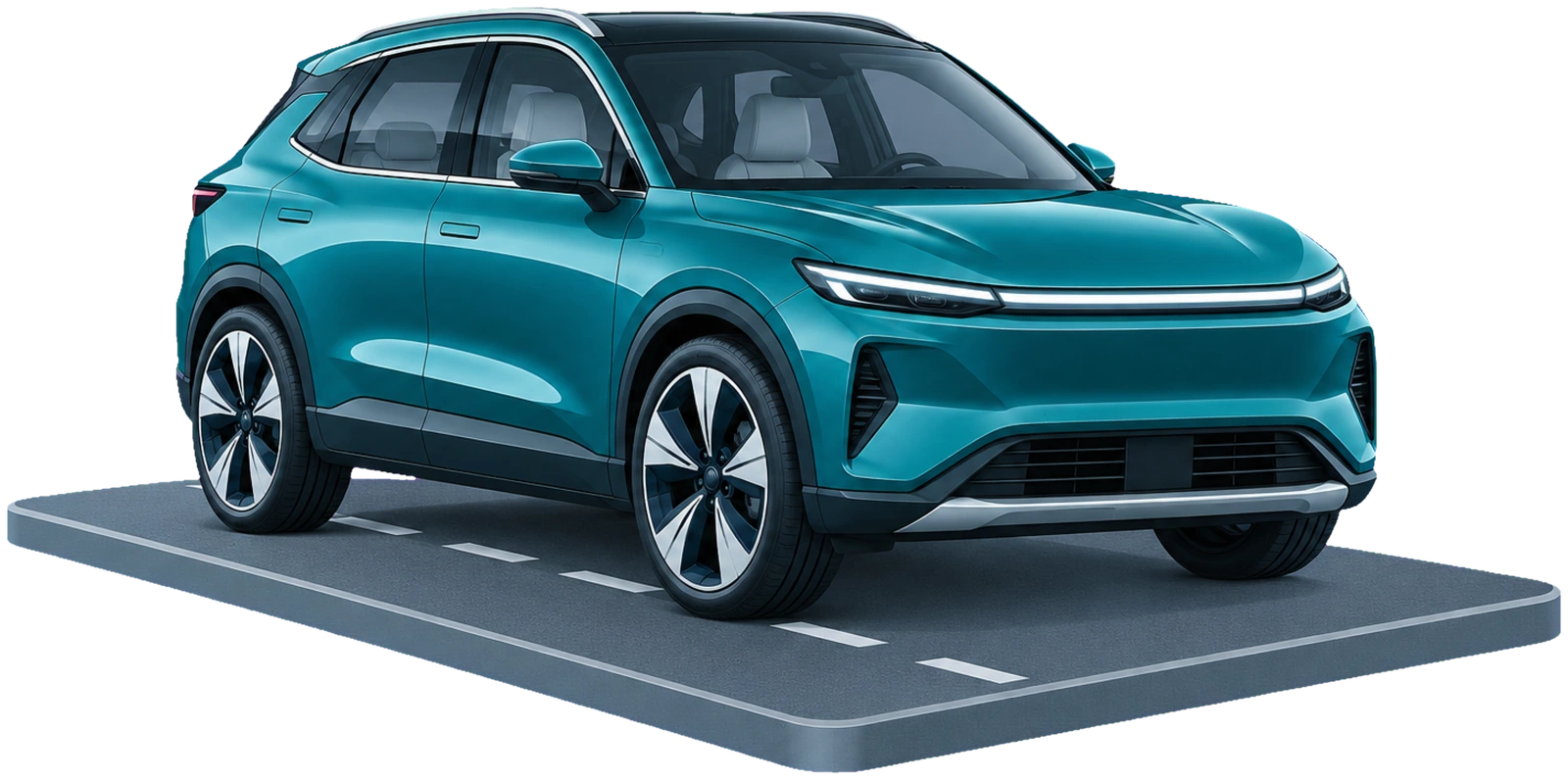
Auto insurance in Ontario protects you financially if you cause a collision, are hurt in one, or your vehicle is damaged or stolen. Third-party liability, statutory accident benefits and uninsured automobile coverage are mandatory in every policy, and you add optional protection such as collision and comprehensive on top. Anyone who owns or regularly drives a vehicle in Ontario needs it, and the right setup depends on your car, your driving and your budget.
Plain-language advice
A broker explains each coverage in everyday words, so you know what you are buying and why, instead of guessing from a list of codes and limits.
Choice across insurers
A broker can compare options from more than one insurer for your situation, rather than showing you a single company's offer.
Help when you need it
If you have a claim, a change of vehicle or a question about renewal, you have a person to ask, not only a website.
What Ontario auto insurance covers
Some parts are required by law and some are your choice. Here is how the main pieces fit together.
Third-party liability
Pays for injury or property damage you cause to others, and for your legal defence. The legal minimum is $200,000, though many people choose $1 million or $2 million.
Statutory accident benefits
Medical, rehabilitation and attendant care benefits are mandatory. Since 1 July 2026, other benefits such as income replacement and caregiver benefits are optional to buy.
Uninsured automobile
Protects you if you are hurt or your car is damaged by a driver who has no insurance, or by a hit-and-run driver who cannot be identified.
Collision and comprehensive
Optional coverages. Collision pays to repair your car after a crash. Comprehensive covers theft, vandalism, fire and similar events. Combined, they are often called all perils.
Direct Compensation Property Damage
Repairs your car through your own insurer when someone else is at fault. Drivers may opt out through an endorsement, which has real trade-offs, so check your policy with your broker.
Endorsements
Optional add-ons tailor a policy, such as loss of use for a rental car, waiver of depreciation on a newer car, Family Protection (OPCF 44R) and cover for vehicles you borrow.
Ready when you are
Answer a few questions and see your options in minutes. No payment, no commitment.
Who auto insurance is for
Drivers who own a vehicle
If your name is on the registration, you need a policy that meets Ontario's mandatory coverages before the car goes on the road.
New and returning drivers
G1 and G2 drivers, newcomers and people returning to driving can get guidance on how licence history and training affect options.
Families sharing vehicles
Households with several drivers and cars can review who is listed, how each car is used and whether bundling with home insurance is available.
Drivers changing cars or moving
Buying a different vehicle, adding a driver or moving to a new postal code can change your coverage and price, so it is worth reviewing.
What changes your car insurance price
Every insurer weighs these a little differently, which is why two people with similar cars can get different results.
Driving record and claims
At-fault claims and traffic convictions affect your price. Insurers commonly look back about six years for claims and three years for convictions, and the effect varies by insurer.
Age and years licensed
Newer drivers usually pay more, and the price tends to fall as experience builds. Approved driver-training courses are discounted by many insurers.
Vehicle and how you use it
The make, model and year of the car, and whether you commute, drive for business or drive few kilometres, all influence the rate.
Where you park
Your postal-code territory is part of the calculation, because claim patterns differ from one area to another.
Coverage, deductibles and discounts
Higher limits and lower deductibles cost more. Discounts may apply for winter tires, multiple vehicles or bundling with home insurance, depending on the insurer.
Bundle
Pairs well with
Insure car insurance together with one of these. When one insurer writes both for your household, it may lower both prices.
- The insurer gives it.
- Same insurer, same household.
- Your broker confirms the final number.
What people often assume is covered but is not
Repairs to your own car after a crash, unless you have collision or all perils coverage, or the other driver is at fault and the claim goes through direct compensation.
A rental car while yours is being repaired, unless you added loss of use (OPCF 20) or your policy includes it.
Damage to a vehicle you borrow or rent, unless you have the appropriate endorsement.
The full price difference for a newer car that is written off, unless you added waiver of depreciation (OPCF 43).
Income replacement and similar accident benefits, which became optional on 1 July 2026 and apply only if you chose to buy them.
Wear and tear, mechanical breakdown and routine maintenance, which standard auto policies do not pay for.
Always check your policy wording; a broker can explain what applies to you.
How it works
Tell us about you
Share a few details in under five minutes. No payment, no commitment.
Compare clear options
See what each option covers and what drives the price.
Confirm with a broker
Your broker checks everything with you before anything is bound.
Frequently asked questions
Every Ontario policy must include third-party liability with a legal minimum of $200,000, statutory accident benefits and uninsured automobile coverage. Many drivers choose $1 million or $2 million of liability because a serious collision can cost far more than the minimum. A broker can help you decide what limit suits your situation.
Medical, rehabilitation and attendant care benefits remain mandatory. Other benefits, such as income replacement, caregiver, housekeeping and home maintenance, and death and funeral benefits, became optional for the insured to buy. Insurers must still offer them. Ask your broker how the choice affects you and your household.
They are optional by law, but they are how you get your own car repaired or replaced after a crash, theft or similar loss. If your car is financed or leased, the lender will usually require them. If it is older and low in value, you may weigh the cost against the benefit with your broker.
Ontario insurers must offer a discount for winter tires. It normally requires four matching winter tires, installed and kept on for the insurer's dates, and all-season M+S tires usually do not qualify. Typical savings quoted by sources are a few percent, so ask what your insurer requires.
It often raises your price at renewal, and insurers commonly look back about six years. The size of the increase depends on the insurer and the claim. Ontario has had rules since 2016 limiting increases after a minor at-fault collision, so ask your broker how they apply to you.
Both are fine. The online quote lets you start at your own pace and see your options. A broker is available to explain coverages, answer questions and help you finish, so you never have to work it out alone.
Related guides

Ready to see your options?
Answer a few questions about you and your vehicle. It takes a few minutes, and a broker can step in whenever you want help.
This page is general information, not advice, and rules change. Coverage, eligibility and terms depend on the insurer and your situation, so your broker confirms what applies to you. Reviewed October 2026.