Home insurance in Ontario
Home insurance that fits the home you actually have
Understand what protects your house, your belongings and your family if something goes wrong, and talk it through with a broker before you decide.
- Free, no obligation
- Quote in minutes

Home insurance helps pay to repair or rebuild your house, replace your belongings and cover your liability if someone is hurt on your property or you damage someone else's. It also commonly helps with extra living costs if you cannot stay in your home after a covered loss. Anyone who owns a house, townhouse or similar property needs it, and mortgage lenders normally require it. The right limits and add-ons depend on your home.
Coverage matched to your home
A broker looks at your home's age, systems, value and contents, so limits and add-ons reflect what you actually need to protect.
Help with the fine print
Water damage, sewer backup and similar coverages vary by insurer. A broker explains what is included, optional or excluded before you commit.
Review as life changes
Renovations, new purchases or a change in how you use the home can affect your coverage. A broker helps keep it up to date.
What home insurance usually covers
Policies differ by insurer and endorsement, but most home policies are built from these parts.
The building
Pays to repair or rebuild the house and attached structures after covered events such as fire, wind or certain types of water damage, up to the limit on your policy.
Personal belongings
Covers furniture, clothing, electronics and other contents against covered losses such as fire or theft. Some items, like jewellery or art, may have sub-limits unless you schedule them.
Personal liability
Responds if you are legally responsible for injuring someone or damaging their property, and helps with legal costs. This applies on your property and often elsewhere.
Additional living expenses
Helps with costs such as temporary housing and extra meals if a covered loss makes your home unlivable while it is repaired.
Water and sewer backup
Many policies treat these as optional add-ons, so it is worth asking exactly what kinds of water damage are included and what limit applies.
Other structures
Detached garages, sheds and fences may be covered under their own limit. Check that the limit is realistic for what you have on the property.
Ready when you are
Answer a few questions and see your options in minutes. No payment, no commitment.
Who home insurance is for
Homeowners
If you own a detached, semi-detached or townhouse property, the building and what is inside are your financial responsibility.
Buyers with a mortgage
Lenders typically require proof of insurance before closing, so arranging coverage early keeps your purchase on schedule.
Owners who renovate
Finishing a basement, adding a deck or upgrading a kitchen can raise the cost to rebuild, so your coverage should keep pace.
People who also insure a car
Bundling home and auto with one broker can simplify renewals and may open up discounts, depending on the insurer.
What changes your home insurance price
Insurers look at how likely and how costly a claim could be. These are the usual drivers.
Cost to rebuild
The size, age, construction and finishes of the home determine what it would cost to rebuild, which sets your building limit.
Location
Local claim patterns, distance to a fire hydrant or station and exposure to things like flooding can influence the price.
Systems and condition
The age and type of your roof, wiring, plumbing and heating matter, since older systems can raise the chance of a loss.
Claims history
Past claims on the property or by you can affect what insurers offer and what they charge.
Coverage choices and deductibles
Higher limits, extra endorsements and lower deductibles cost more. Bundling with auto insurance may reduce the price with some insurers.
Bundle
Pairs well with
Insure home insurance together with one of these. When one insurer writes both for your household, it may lower both prices.
- The insurer gives it.
- Same insurer, same household.
- Your broker confirms the final number.
What people often assume is covered but is not
Flood or overland water damage, which many policies exclude unless you add specific coverage.
Sewer backup, which is often an optional endorsement rather than part of the base policy.
Normal wear and tear, gradual deterioration and poor maintenance, which insurers do not treat as sudden losses.
High-value items such as jewellery, art or collections beyond the policy's sub-limits unless they are scheduled.
Home-based business equipment and liability, which usually need separate commercial coverage.
Damage from earthquake, which is typically a separate endorsement or excluded.
Always check your policy wording; a broker can explain what applies to you.
How it works
Tell us about you
Share a few details in under five minutes. No payment, no commitment.
Compare clear options
See what each option covers and what drives the price.
Confirm with a broker
Your broker checks everything with you before anything is bound.
Frequently asked questions
Your building limit should reflect what it would cost to rebuild, not the market value of the property or the land. Contents limits should reflect what it would cost to replace your belongings. A broker can walk through your home and help set limits that are realistic.
The law does not require it, but a mortgage lender will almost always require it as a condition of the loan. Even without a mortgage, a fire or liability claim could be financially severe, which is why most owners choose to be insured.
Replacement cost pays what it costs to replace an item with a new one. Actual cash value pays the replacement cost minus depreciation. The difference can be large for older items, so ask which basis applies to your building and your contents.
It depends on the cause. Sudden events such as a burst pipe are often covered, while sewer backup and overland flooding frequently need separate endorsements. Because wording varies by insurer, ask your broker to explain exactly which types of water damage your policy includes.
Many insurers offer a discount when you insure your home and vehicles together, and one broker can manage both. Eligibility and savings vary by insurer, so ask your broker to compare bundled and separate options for your situation.
Request a call with a broker. They will ask about your home, such as its age, size, updates and any claims, then explain your options in plain language. There is no obligation to buy after the conversation.
Related guides
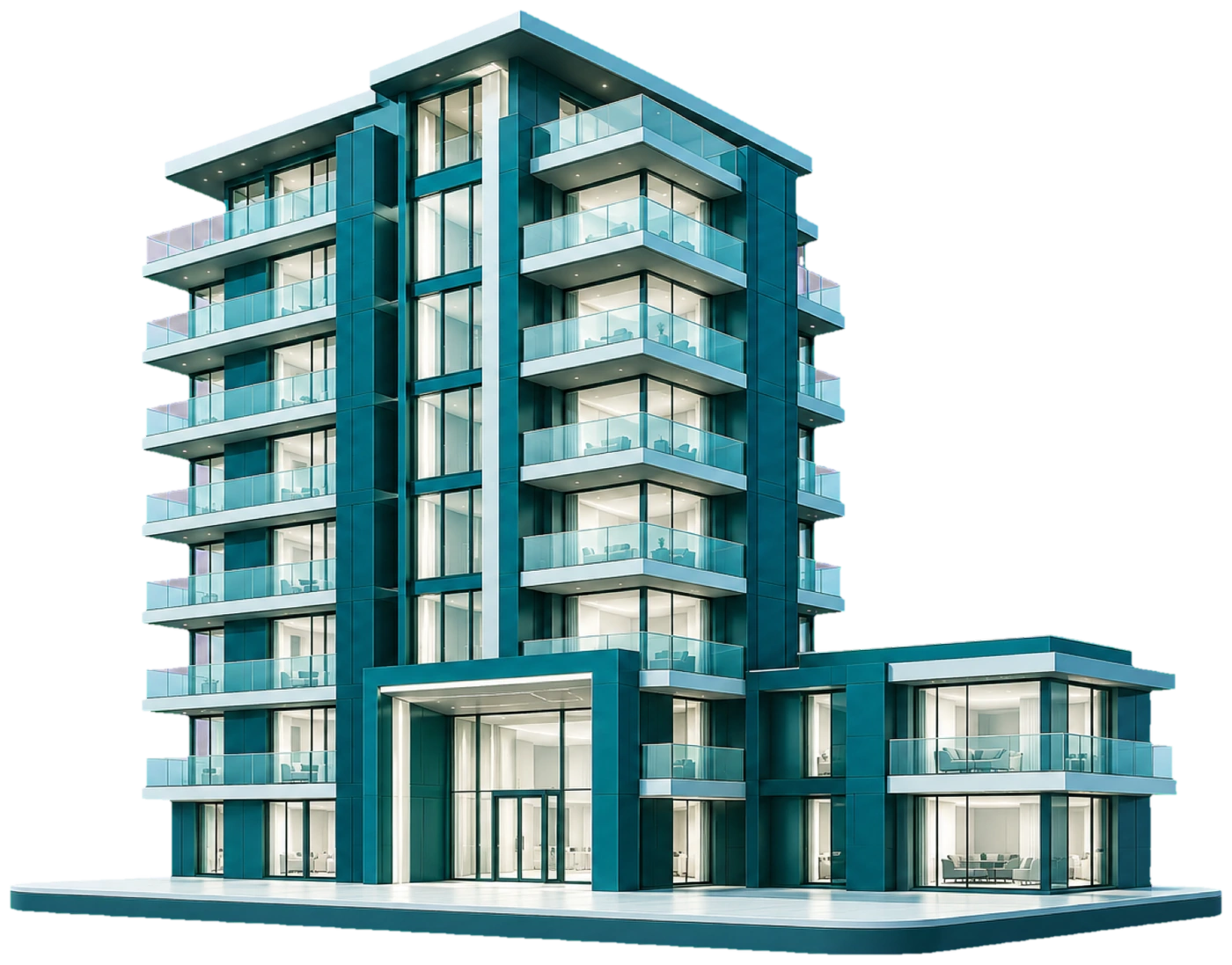

Let us look at your home together
Tell us a little about your property and a broker will contact you to explain your options and answer your questions.
This page is general information, not advice, and rules change. Coverage, eligibility and terms depend on the insurer and your situation, so your broker confirms what applies to you. Reviewed October 2026.